Managed dispatch operations
Remote dispatch services for taxi, trucking, logistics, and medical transportation across the USA and Canada.
Dispatch Operations Group runs remote dispatch desks for taxi, trucking, logistics, NEMT, courier, and priority-response operators. Our agents work inside your dispatch software, service areas, driver channels, intake scripts, and escalation rules so open work, late work, and unresolved exceptions are clear.
24/7 support
dispatch coverage windows available
USA + Canada
transportation operators supported
Phones + platforms
caller, driver, email, and system updates
Operations console
Live Dispatch Desk
Live
Active board
Watch
Driver check-ins
Review
Priority items
SOP-based onboarding
Supervisor-reviewed dispatch notes
Shift handoffs for open items
Escalation paths documented before launch
Privacy-conscious call handling
Reporting that shows volume and exceptions
Dispatch service coverage
Remote dispatch support built for transportation operators.
SOP-trained agents
Coverage starts with your scripts, service areas, escalation rules, and dispatch notes.
Phone and email access
Operators can start a coverage conversation by call or email.
USA and Canada coverage
Dispatch support for transportation companies operating across North American markets.
Operations-first reporting
Shift notes, open items, late work, and exceptions are documented for supervisors.
Operating standard
A dispatch desk that learns the way your company actually runs.
Good dispatch support is not a script pasted into a headset. It is knowing which details matter, when a driver needs a call instead of a message, and what a supervisor needs to see before a service issue becomes a complaint.
Dispatch notes written for supervisors, not just call logs
Agents trained on your service areas, scripts, software, and escalation rules
Caller, driver, facility, broker, and account-contact communication handled in one workflow
Shift handoffs that explain what is open, late, unresolved, or waiting on a decision
Coverage for daytime overflow, overnight desks, weekends, and seasonal volume
Support for taxi, freight, NEMT, courier, logistics, and priority-response operations
Service area
Dispatch support for operators moving across the USA and Canada.
We support transportation companies with local, regional, cross-border, and after-hours dispatch needs. Coverage is organized around your service areas, not a generic national script.
Local fleet desks
Regional route support
Cross-border communication
After-hours monitoring
Coverage map
USA and Canada dispatch footprint
Operational controls
Built around the parts of dispatch that usually get messy.
Most teams do not need another answering service. They need someone to keep the board current, call the right people back, note the exception, and hand off unresolved work without losing context.
The board stays readable
Jobs, notes, status changes, late arrivals, and open decisions are kept in the system your supervisors already check.
Drivers get clear direction
Agents confirm details, pass along changes, capture driver updates, and flag anything that needs a supervisor.
Exceptions are not buried
Missed calls, late pickups, uncovered work, facility issues, and customer complaints are documented instead of disappearing into a shift.
The caller hears your standard
Passengers, brokers, facilities, and customers get a steady voice that understands timing, tone, and complete information.
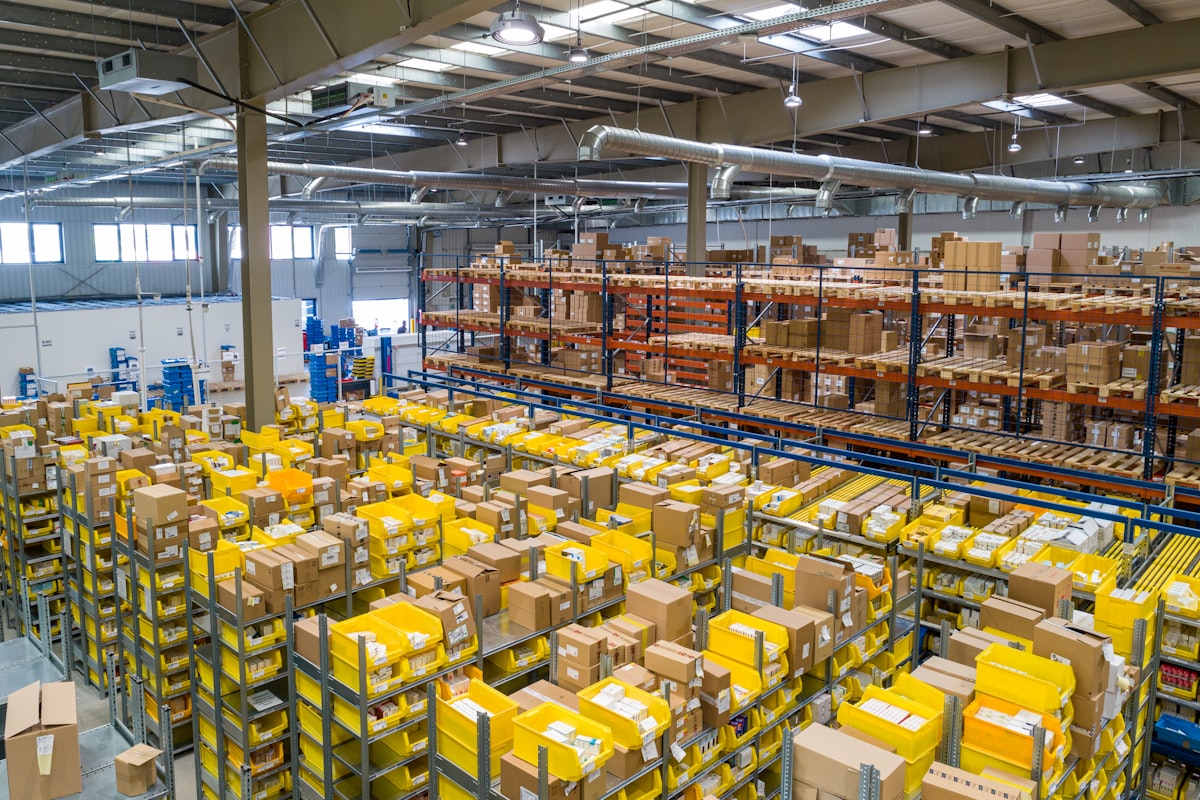
Fleet and logistics visuals
Built around dispatch work that happens away from the office.
Drivers, vehicles, facilities, docks, passengers, and account contacts all create moving pieces. The dispatch desk has to keep those pieces visible.

Fleet coordination
Driver check-ins, ETA changes, active jobs, and late work documented for supervisors.
Logistics communication
Facilities, brokers, customers, and drivers kept aligned when schedules change.
Core services
Coverage for the dispatch work that protects service quality.
Coverage can support a full desk, overflow queues, overnight monitoring, or narrow workflows where the details have to be handled the same way every time.
Remote Dispatch Desk Coverage
Remote dispatch agents answer live requests, enter jobs, assign available drivers, update ETAs, and keep notes current inside the dispatch process your team already uses.
Learn moreDriver Coordination
Drivers get the details they need: pickup notes, delivery instructions, schedule changes, facility requirements, and who to call when a job moves off plan.
Learn moreAfter-Hours Dispatch
Coverage for nights, weekends, and overflow periods when calls still need to be answered and active jobs still need someone watching the board.
Learn moreException Monitoring
Delayed pickups, uncovered loads, missed calls, late check-ins, and service complaints are flagged clearly so supervisors are not discovering problems after the fact.
Learn morePriority Call Handling
For urgent environments, agents follow priority rules, capture clean incident details, escalate to the right contact, and document the handoff.
Learn moreLogistics Dispatch Communication
Passengers, shippers, brokers, facilities, and account contacts get direct logistics dispatch updates without your internal team having to chase every call.
Learn moreIndustries served
Built for transportation teams with live operational pressure.
We support operators where timing, accuracy, driver communication, caller confidence, and exception control matter on every shift.
Taxi Dispatch Services
Phone bookings, live ride dispatch, driver assignment, passenger updates, no-show notes, and busy-hour overflow support.
Trucking Dispatch
Driver check-ins, appointment updates, load status, detention notes, delay communication, and after-hours coverage for active freight.
Logistics Dispatch
Dispatch support for carriers, couriers, brokers, 3PLs, and last-mile teams that need clean communication across multiple parties.
Medical Dispatch Support
Trip intake, recurring ride support, facility communication, rider notes, pickup windows, and careful handling for time-sensitive appointments.
Priority-Response Operations
Calm call handling, prioritization support, escalation workflows, and accurate notes for time-sensitive operating environments.
Transportation Businesses
Practical dispatch capacity for operators that need steady coverage, clear notes, and consistent caller handling without rebuilding the office.
Operator feedback
Realistic outcomes dispatch managers care about.
Operators usually notice the same things first: cleaner notes, fewer missed callbacks, better handoffs, and fewer surprises waiting for the next shift.
"They learned the way our desk handles airport pickups, late drivers, and passenger callbacks. The biggest difference is that our notes are cleaner at the end of the shift."
"After-hours freight calls used to scatter across whoever was awake. Now check-ins, appointment changes, and driver issues are logged where our morning dispatcher can actually use them."
"For medical trips, the small details matter. Facility notes, pickup windows, and rider updates are handled with more consistency than we had from overflow answering services."
FAQ
Common questions before a dispatch handoff.
These are the questions that usually come up before a transportation company lets an outside dispatch team touch live work.
Can you work inside our current dispatch software?
Yes. Coverage is built around the tools your team already uses whenever access and procedures are available. We document how jobs should be entered, updated, escalated, and handed off.
Do you cover overnight and weekend dispatch?
Yes. We can support business-hour overflow, nights, weekends, holiday volume, or a dedicated dispatch window depending on the operation.
What industries do you support?
We support taxi and ride operations, trucking, logistics, courier work, NEMT, transportation businesses, and priority-response environments.
How do you keep service quality consistent?
We start with SOPs, service areas, scripts, escalation rules, and shift handoff expectations. Supervisors need to see what happened, what is open, and what still needs a decision.
Can we start with overflow before using a full dispatch desk?
Yes. Many companies begin with overflow, after-hours, or a specific workflow before expanding into broader dispatch coverage.
Coverage planning
Get a dispatch plan built around your workflow, staffing model, and service commitments.
Share your volume, coverage window, software, service model, and escalation needs. We will recommend a practical support plan only after we understand the desk.